Sign in
 Sign up





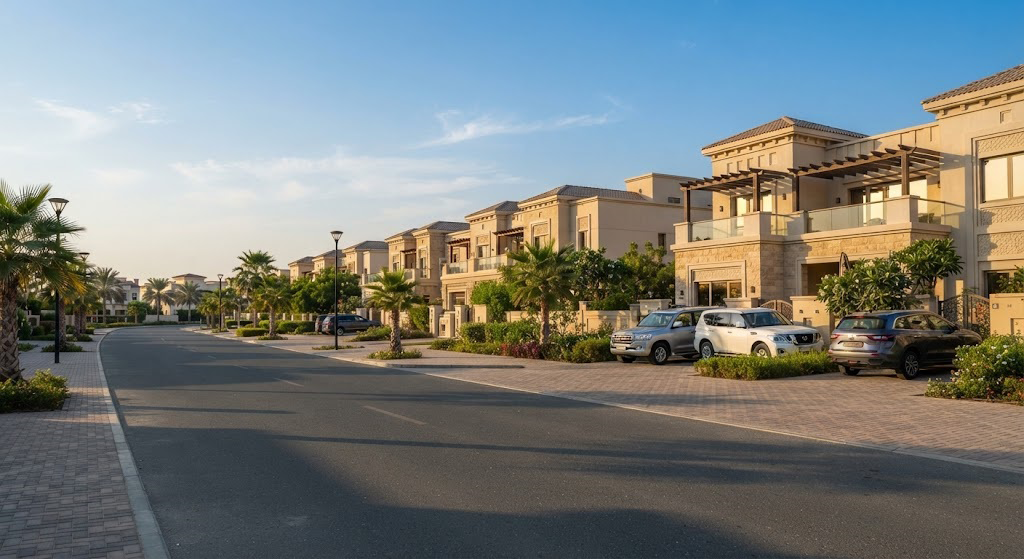
Dubai’s secondary property market recorded 40,963 resale transactions worth AED153.4 billion in the first eight months of 2026, according to data prepared by Property Finder. The headline number is lower than a year earlier — but the average deal value edged up from AED3.61 million to AED3.75 million, and that combination is the real story.
What the numbers say
The decline was concentrated in transaction volume, not in pricing. Property Finder’s Chief Revenue Officer Sherif Suleiman said the market is “transitioning to a more mature stage” and that lower trading volumes do not indicate weak demand — they reflect a change in the type of properties and communities attracting capital.
The average secondary deal reached AED3.75 million. Suleiman cautioned that this does not necessarily mean property prices are rising across the board: the figure is influenced by the mix of properties sold during the period, including a limited number of high-value transactions.
Where capital is moving
The most important indicator, according to Suleiman, is not the volume of deals but the direction of capital. Established and high-priced communities such as Business Bay, Downtown Dubai, Dubai Marina and Palm Jumeirah have slowed compared with their strong 2025 levels. At the same time, Mohammed Bin Rashid City, Dubai South and Jebel Ali have emerged with notable growth.
“Capital is not leaving the market,” Suleiman said. “It is redirecting toward higher-value options and newer offerings, in line with the needs of the next wave of residents.”
Why it matters
For buyers, this shift means more choice in newer, more affordable communities designed for end-users rather than short-term speculation. For investors, it signals that liquidity is concentrating in areas with infrastructure pipelines and long-term master plans. The secondary market’s rebalancing is not a slowdown — it is a rotation.