Sign in
 Sign up





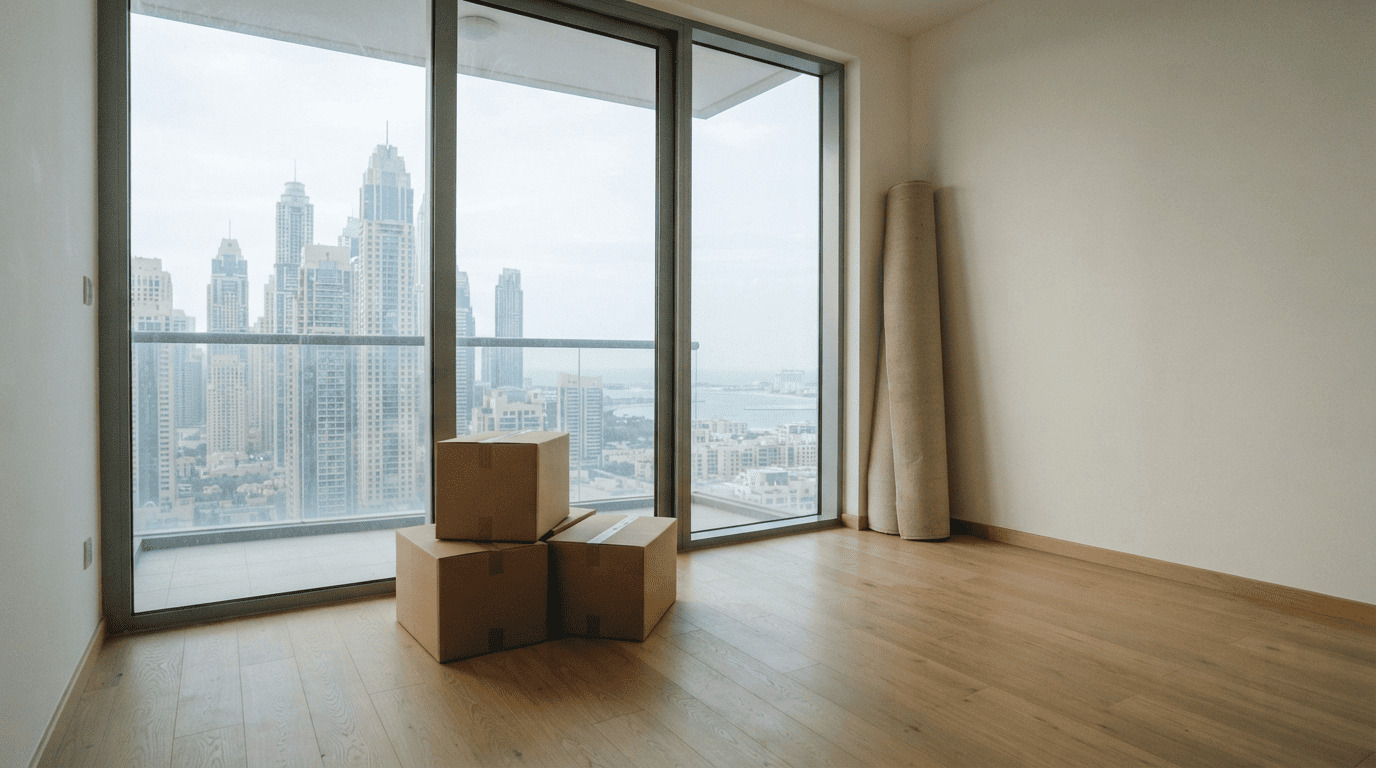
For three years, staying put was the rational choice for Dubai's tenants: moving usually meant paying more. That has now flipped. New tenancy contracts outnumbered renewals by 633 in July and by 2,139 in August — the first months in which new leases have led since the data series began in January 2023, ending a run of 36 consecutive months the other way. The figures come from Dubai Land Department registrations analysed by fäm Properties, and they describe a rental market where the cheaper option is no longer the one you already live in.
How wide the gap has become
The median rent on a new apartment lease stood at Dh94.6 per square foot in August, down 8.3 per cent from the October 2025 peak of Dh103.1. Renewal rates, by contrast, have barely moved — down about 1 per cent — because Dubai's rental index caps how far a landlord can raise an existing tenancy, but does nothing to pull an overpriced renewal back down to market. The result is a spread of roughly 15.3 per cent between what a sitting tenant is asked to pay and what the same apartment would cost on a fresh contract. Firas Al Msaddi, founder of fäm Properties, puts it plainly: tenants can now move to a comparable apartment for less than their renewal would cost.
Where tenants are actually moving
The shift is concentrated in the districts with the most new supply. In August, new leases outnumbered renewals by 1,102 contracts in Al Barsha South Fourth, which covers Jumeirah Village Circle, followed by 609 in Business Bay, 598 in Al Merkadh, 564 in Marsa Dubai, which includes Dubai Marina, and 342 in Downtown Dubai. Median annual rents in those areas range from Dh70,000 in JVC to Dh99,900 in Business Bay and Dh120,000 in Dubai Marina. Renewals still lead in Al Warsan First, covering International City, along with Jabal Ali First and Nadd Hessa in Dubai Silicon Oasis — the more affordable pockets, where the gap has not opened as far.
Why it is happening, and what comes next
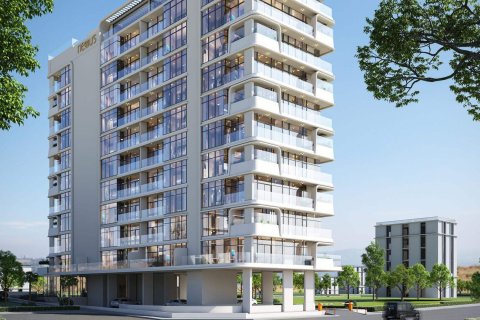
Supply is the driver. Roughly 47,000 units are due for delivery in the second half of 2026, with 162,500 expected in 2027 and 128,200 in 2028; apartments account for 82.5 per cent of what lands this half, concentrated in exactly the growth corridors where tenants are now shopping around. For landlords, that changes the arithmetic: a renewal held stubbornly above market no longer protects income, it invites a vacancy, and a month or two empty costs more than the increase was worth. For investors, occupancy and tenant retention are becoming the numbers to watch, not headline rent.
None of this signals a collapse in Dubai's rental market — yields on apartments have been running near 7 per cent, and demand keeps arriving with the city's population. What has changed is negotiating power. Tenants who have renewed automatically for three years now have a reason to check the market before signing, and landlords have a reason to price the renewal as if the tenant might leave. Because increasingly, they do.