Sign in
 Sign up


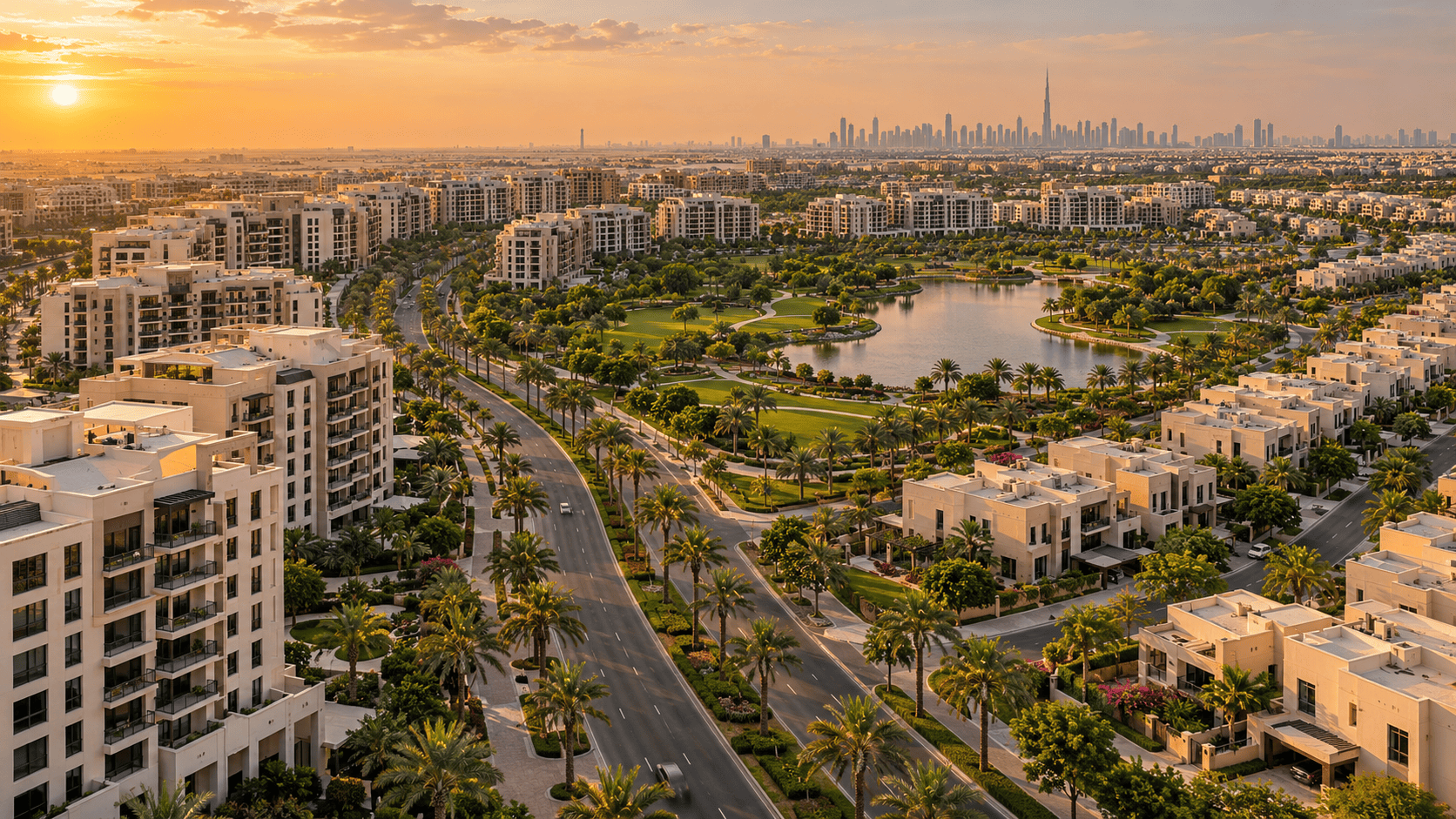
Dubai's largest developer has posted a strong nine months and moved to tighten its grip on its own development arm. Emaar Properties reported revenue of Dh37.5 billion for January to September 2026, up 13 per cent, with EBITDA of Dh19.7 billion, pre-tax profit of Dh19.8 billion — a rise of 18 per cent — and net profit after tax of Dh17.1 billion, up 17 per cent. Property sales reached Dh34.7 billion and the revenue backlog, the sales booked but not yet recognised, stood at Dh158.8 billion at the end of September, 6 per cent higher than a year earlier.
The move on Emaar Development
Alongside the results, Emaar announced a voluntary cash offer for the shares in Emaar Development it does not already own, at Dh15 per share. The parent holds more than 79 per cent of the listed subsidiary, and taking the remainder would cost up to Dh12.6 billion, around $3.4 billion. The target is performing well on its own: Emaar Development reported net profit of Dh10.8 billion, up 24 per cent, on revenue of Dh22.2 billion, up 26 per cent, with an EBITDA margin of 52 per cent, sales of Dh26.2 billion and a backlog of Dh119.8 billion.
Where the money is made — and where it is not
Shareholders approved a one-off special dividend of Dh4.4 billion, or 50 fils per share, on top of the regular annual payout. The core engine remains UAE development, which generated Dh28.3 billion in revenue, up 18 per cent, on a backlog of Dh127.2 billion. Malls and leasing added Dh5.2 billion in revenue, up 10 per cent, at around 98 per cent occupancy. Hospitality is the weak link: average hotel occupancy in the UAE fell to 63 per cent from 80 per cent a year earlier on softer international tourist numbers, partly offset by domestic demand. International development contributed sales of Dh8.5 billion, up 5 per cent, led by Egypt and India.
What it means on the ground
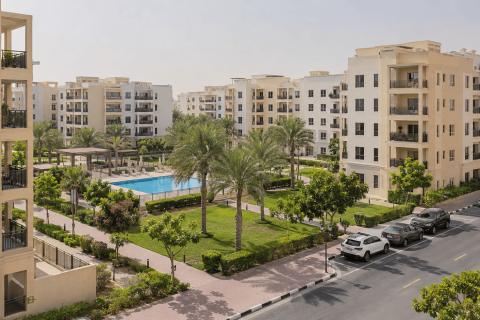
For buyers, the operational numbers matter more than the dividend. Emaar handed over more than 4,800 homes in the UAE during the period and says over 80 per cent of its active UAE projects are running ahead of schedule, while launching 14 new projects and holding a land bank of roughly 604 million square feet, 315 million of it in the UAE. "A home purchase is a significant commitment, and our responsibility continues long after the sale," founder Mohamed Alabbar said.
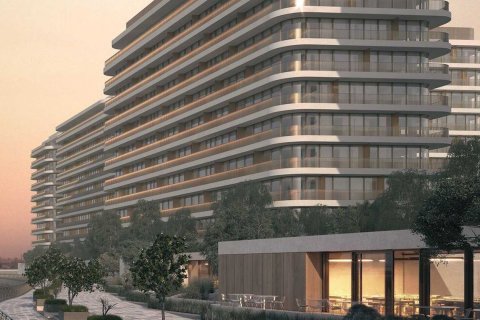
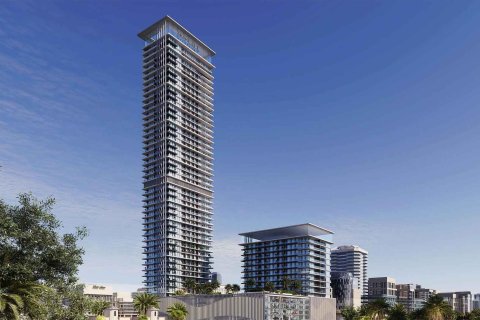
The backlog is the figure worth tracking from here. At Dh158.8 billion it represents several years of recognised revenue already contracted, which is what allows a developer to hold pricing rather than discount into a softening market — the position Alabbar set out in September, when he described the coming supply wave as an adjustment rather than a crisis. A full buyout of the development arm would consolidate that pipeline under a single owner, with one fewer set of minority shareholders to answer to when the cycle turns.