Sign in
 Sign up





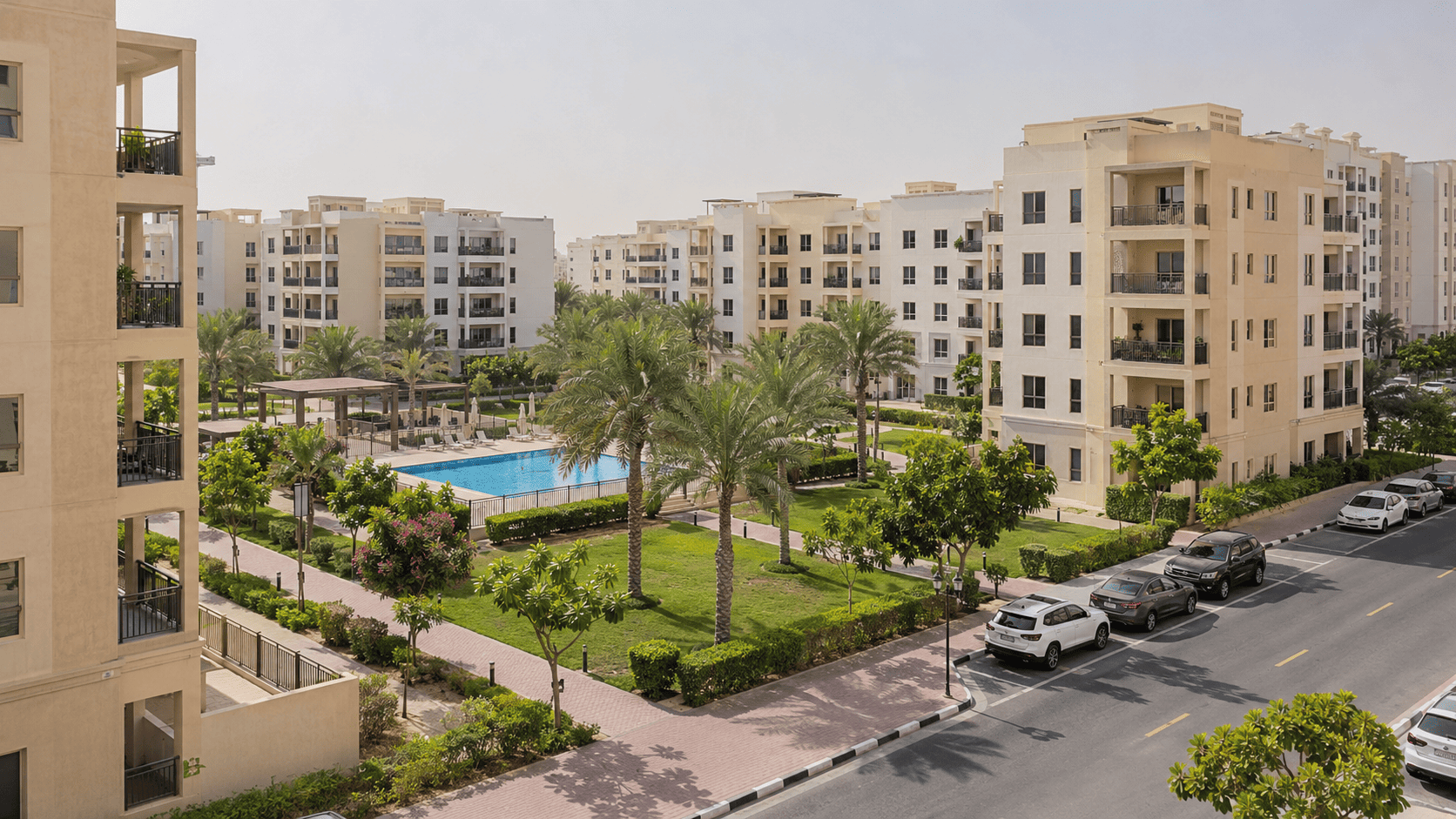
The most profitable square foot in Dubai is rarely the most expensive one. Bayut's third-quarter figures put the emirate's highest estimated rental yields in its affordable communities, led by Dubai Investments Park at 9.5 per cent, while prime villa districts sit closer to 5 per cent. The quarter's arithmetic is straightforward: asking prices across popular affordable and mid-tier areas barely moved, with most shifts under 3 per cent, while asking rents eased in several districts. When the denominator holds and the numerator falls, the yield narrows — and the gap between segments widens.
The affordable segment leads
Among apartments, Dubai Investments Park recorded the highest estimated yield at 9.5 per cent, followed by Discovery Gardens at 8.5 per cent and Remraam at 8.4 per cent. These are the communities built for tenants who rent by necessity rather than by lifestyle choice, which is precisely what makes them resilient: demand there tracks employment and population growth rather than sentiment, and the entry ticket is low enough that a single vacancy does not reshape the investment case.
Villas: mid-tier beats ultra-luxury
The pattern repeats among houses. The Sustainable City led mid-tier villas at 6.1 per cent, ahead of DAMAC Lagoons at 5.7 per cent and Jumeirah Village Circle at 5.5 per cent. At the top of the market, Al Barari recorded the highest ultra-luxury villa yield at 4.9 per cent — roughly half the return available in Dubai Investments Park. Buyers in that bracket are generally paying for the asset and the address rather than for cash flow, but the spread is worth seeing plainly before the decision is framed as an investment one.
Why the yields are holding
Rents have been softening where new supply landed hardest. Bayut recorded easing asking rents in Jumeirah Village Circle, Business Bay and Arjan, with marginal corrections in Dubai Marina, Downtown Dubai and Meydan. Prices, meanwhile, stayed broadly flat. That combination compresses returns in the districts that saw the sharpest rent growth over the past three years, while the affordable communities — where rents rose less and prices never ran as far — have kept their yields largely intact.
One caveat matters more than any single number here. These are gross yields calculated from asking rents, not realised returns from signed contracts. Service charges, management fees, maintenance, periods between tenants and the commission on each new lease all come out of that figure, and in the mid-market they can reduce it by well over a percentage point. The ranking still tells you where to look; the net calculation is the one to run on the specific building before anything is signed.