Sign in
 Sign up





Dubai’s property market is showing steady growth in early 2026, with off-plan sales continuing to set the tone and driving price increases. At the same time, experts note a transition to a more balanced phase following several years of rapid growth.
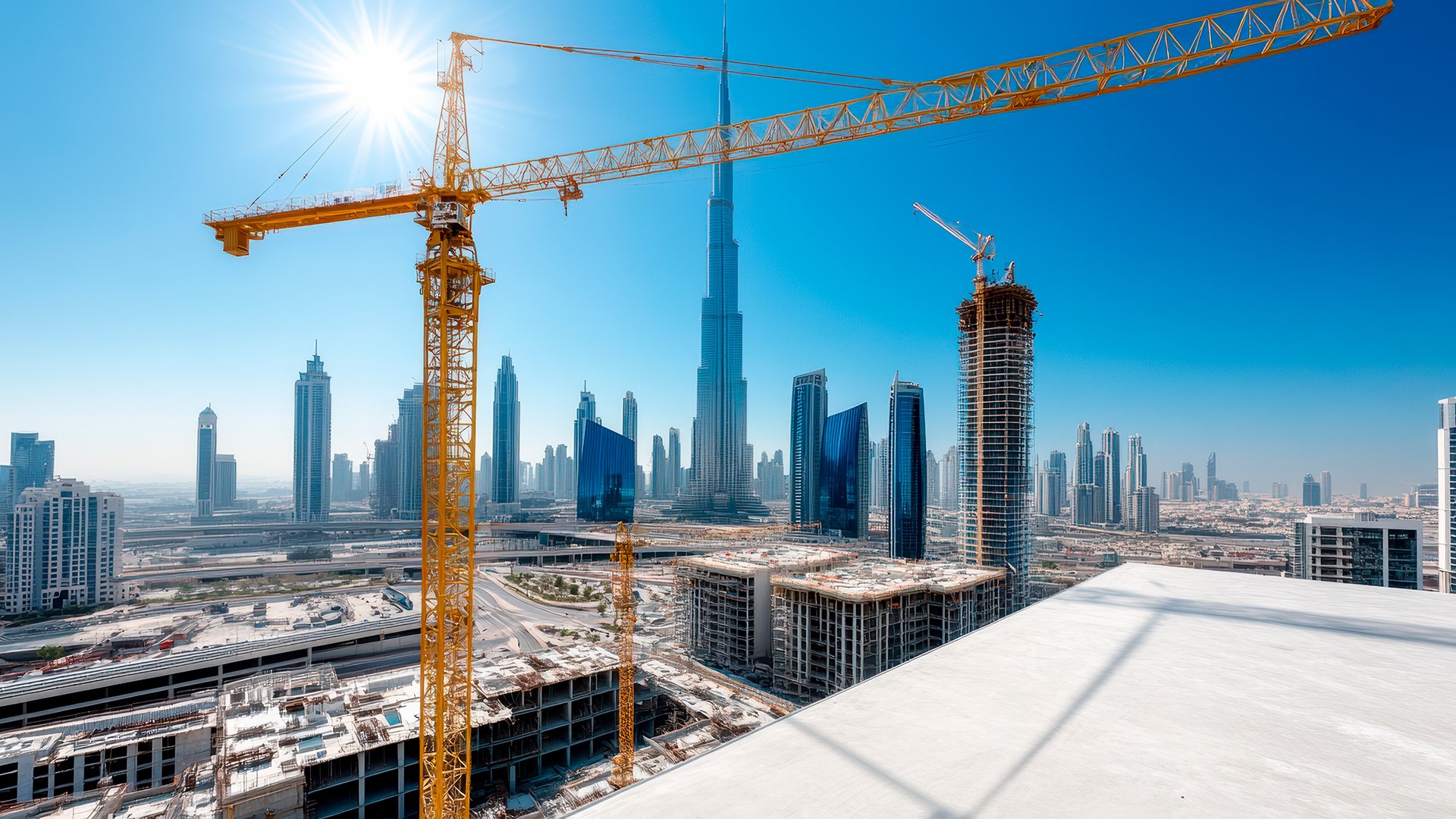
According to data for the first quarter of 2026, the total value of residential property transactions exceeded 139 billion dirhams (around $37.8 billion). Off-plan projects, i.e. properties under construction, accounted for a significant share – around 70–73%. This confirms investors’ interest in new developments with flexible payment plans and potential for future resale.
The average price per square foot of residential property reached approximately 1,683–1,933 dirhams, depending on the segment and data source. This is 9.6–10.5% higher than figures from a year ago. Growth continues, but is significantly below the peak levels of previous years. Villas are showing more robust performance compared to flats, particularly in prestigious areas such as Palm Jumeirah and Emirates Hills.
Analysts attribute the current situation to an increase in supply from projects completed in previous years. This is creating conditions for a market slowdown: growth rates for rental rates and prices have slowed to their lowest levels in the last three years. Buyers have gained more room for negotiation, particularly in the completed housing market. Nevertheless, demand for high-quality properties in promising locations remains high thanks to the influx of foreign investors and the emirate’s stable economic backdrop.
Experts forecast continued moderate growth for 2026. Prices are expected to continue rising at a rate of 3–8% year-on-year, with a focus on the premium segment and villas. Off-plan sales are likely to remain dominant, supporting the overall volume of transactions. However, analysts warn of the need for a selective approach: not all projects will deliver the same returns amid growing competition.
Thus, the Dubai market is transitioning from a phase of rapid growth to a more mature stage. For investors, this presents an opportunity to enter the market under conditions close to a balance of supply and demand, whilst retaining long-term potential. Experts recommend carefully analysing the location, the developer’s reputation and the area’s infrastructure plans before making any decisions.