Sign in
 Sign up





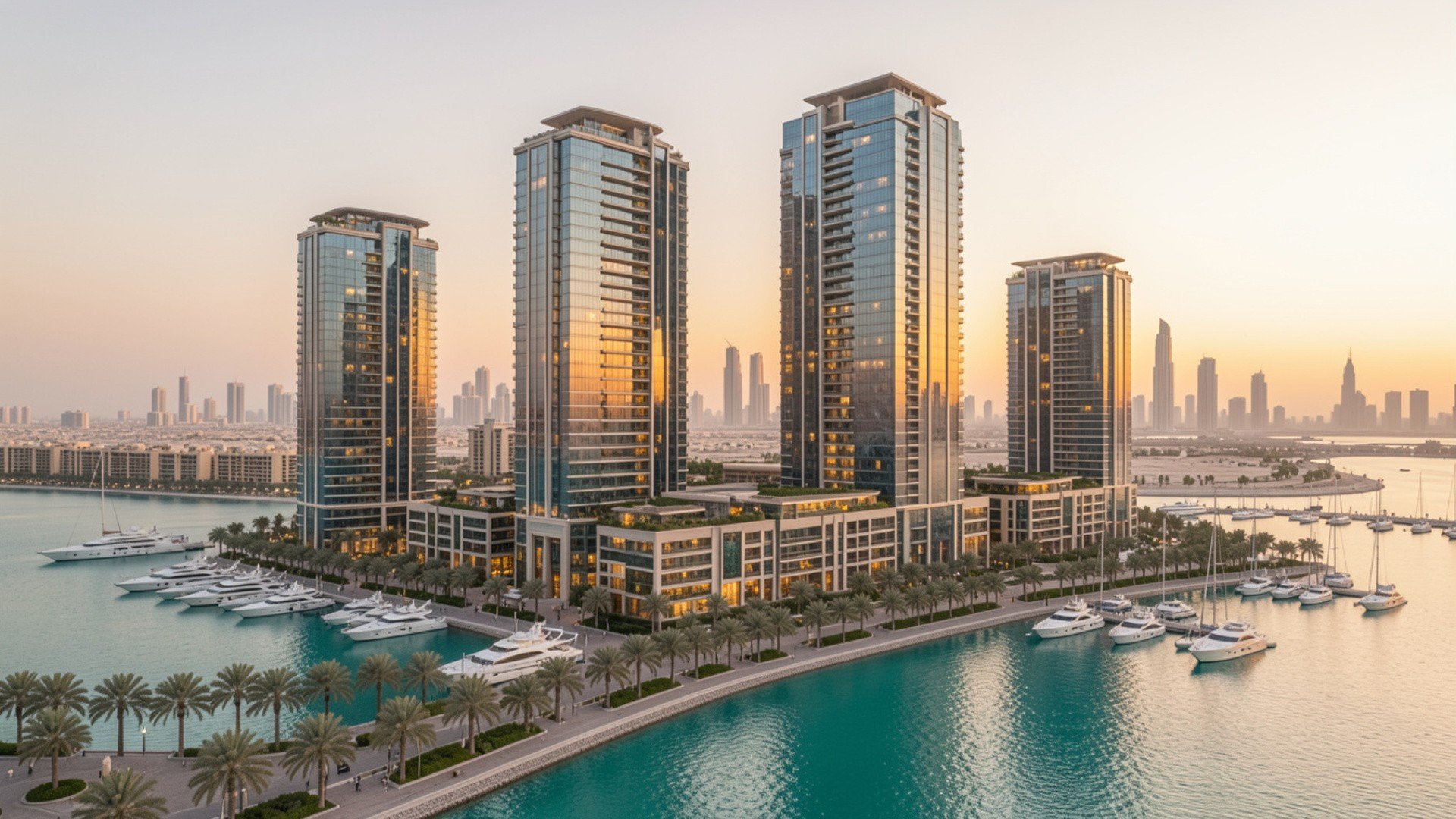
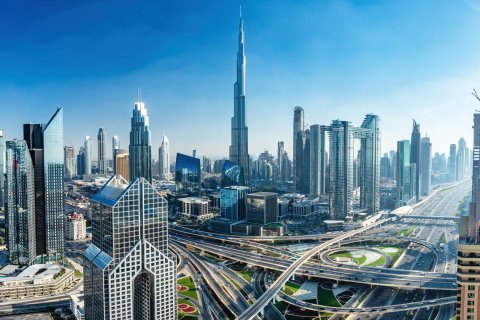
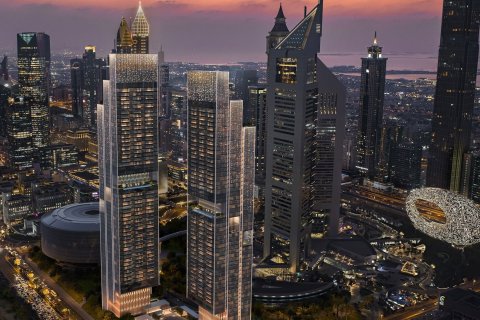
Whilst Dubai's wider residential market has entered a cooler, more measured phase in 2026, the emirate's ultra-luxury segment has done the opposite — setting a fresh record. In the first half of the year, 296 homes changed hands for more than 10 million US dollars each, together worth some 5.1 billion US dollars, according to research by the global property consultancy Knight Frank.
The figures represent a 14 per cent rise in value and a 16 per cent increase in the number of deals compared with the first half of 2025, and a 49 per cent jump in transactions on the same period of 2024. Activity was front-loaded, with 165 sales recorded in the first quarter and 131 in the second, and included a record 26 transactions above 25 million US dollars.
Demand was concentrated in a handful of prestige communities. Dubai Hills Estate led the field with 51 luxury transactions, closely followed by Palm Jumeirah with 50 and the emerging Palm Jebel Ali with 40 — a sign that buyers are looking beyond the established waterfront enclaves towards Dubai's next generation of premium destinations.
The half-year also produced the city's most expensive home sale to date: a six-bedroom apartment at Aman Residences in Jumeirah Second, developed by H&H Investment and Development, which sold for 114.9 million US dollars (422 million dirhams). Other headline deals included a six-bedroom villa on Jumeirah Bay Island that fetched 76.3 million US dollars.
"Dubai's luxury market has consistently broken records over the last five years," said Faisal Durrani, Head of Research for the Middle East and North Africa at Knight Frank, pointing to the emirate's growing status as a permanent home for global wealth rather than a short-term trading ground.
The contrast with the mainstream market is striking. Across the wider residential sector, transaction volumes were down around 14 per cent and values 15.7 per cent against a very strong first half of 2025, with mainstream prices easing by anywhere from 5 to 20 per cent depending on location. Yet the top end has remained resilient — and, tellingly, just 4 per cent of homes were resold within twelve months, compared with 25 per cent during the 2008 boom, evidence that today's buyers are owners rather than speculators.
For investors, the divergence underlines what continues to draw global capital to Dubai: a stable, tax-friendly environment, a deepening pool of branded and waterfront residences, and trophy assets that hold their value. With prime supply still scarce relative to demand, those entering the city's most sought-after communities early remain best placed to benefit as Dubai cements its position among the world's leading luxury property markets.