Sign in
 Sign up





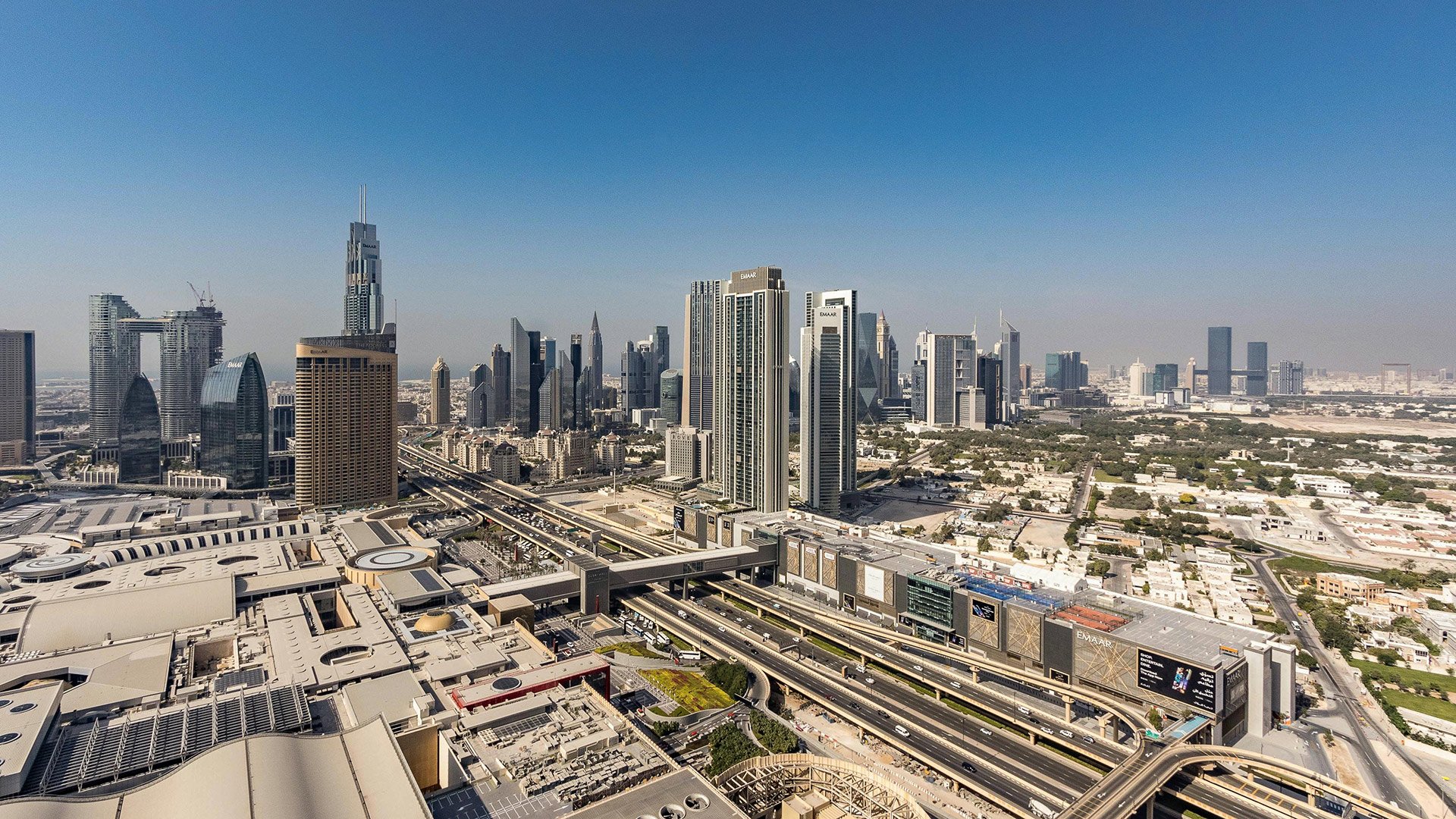
Dubai’s high-end property market is showing steady positive growth, particularly against a backdrop of global uncertainty. According to data from the DXBinteract analytics platform, from 1 March to 15 April 2026, sales of properties from developers priced at over 5 million UAE dirhams (approximately $1.36 million) reached 25.04 billion dirhams. This is **21.4%** higher than in the same period a year earlier. Meanwhile, the number of transactions increased by 59.7% to 1,813.
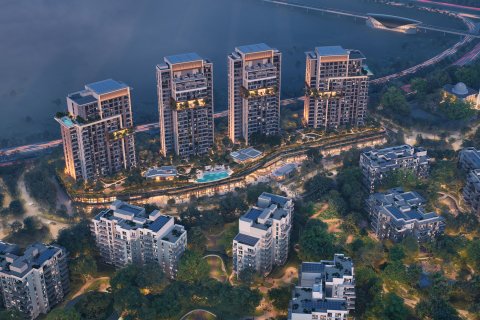
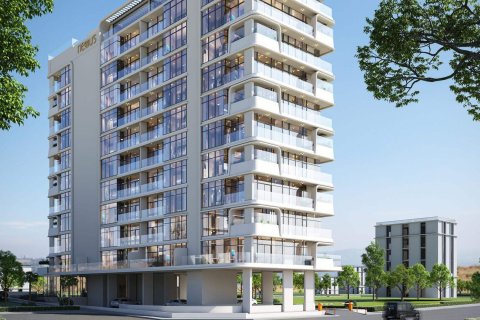
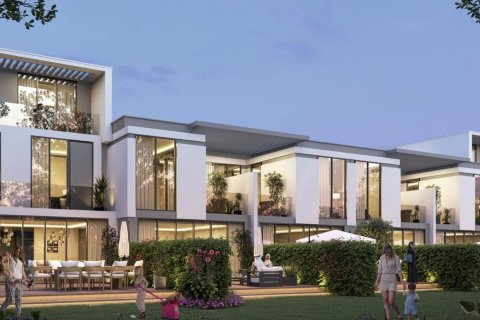
The mid-luxury segment, ranging from 5 to 10 million dirhams, showed particularly significant growth: here, sales volume more than doubled — from 3.43 billion to 7.91 billion dirhams — whilst the number of transactions rose from 503 to 1,153. Buyers are actively interested in completed and off-plan properties in prestigious locations — from waterfront villas on Palm Jumeirah to modern residences in Business Bay and La Mer.
The sustained demand from international investors and ultra-high-net-worth clients is driven by several key factors. Dubai attracts buyers with its stable political environment, favourable tax regime (no income tax or capital gains tax for most categories), high quality of life and the opportunity to obtain a ‘golden visa’. Capital inflows from Europe, Asia and the Middle East continue to support the market, despite occasional fluctuations in the global economy.
Experts note a shift in preferences towards properties with unique characteristics: waterfront locations, branded residences and developments with well-developed private-level infrastructure. The limited supply of truly elite properties, combined with sustained interest from high-net-worth individuals, lays the foundation for further strengthening Dubai’s position as one of the world’s leading centres for luxury real estate.
In the first quarter of 2026, the emirate’s overall property market also performed strongly, with a predominance of interest in premium assets. Analysts expect the trend in the segment above AED 5 million to remain positive in the coming months, although the exact pace will depend on the volume of new supply and macroeconomic conditions.