Sign in
 Sign up





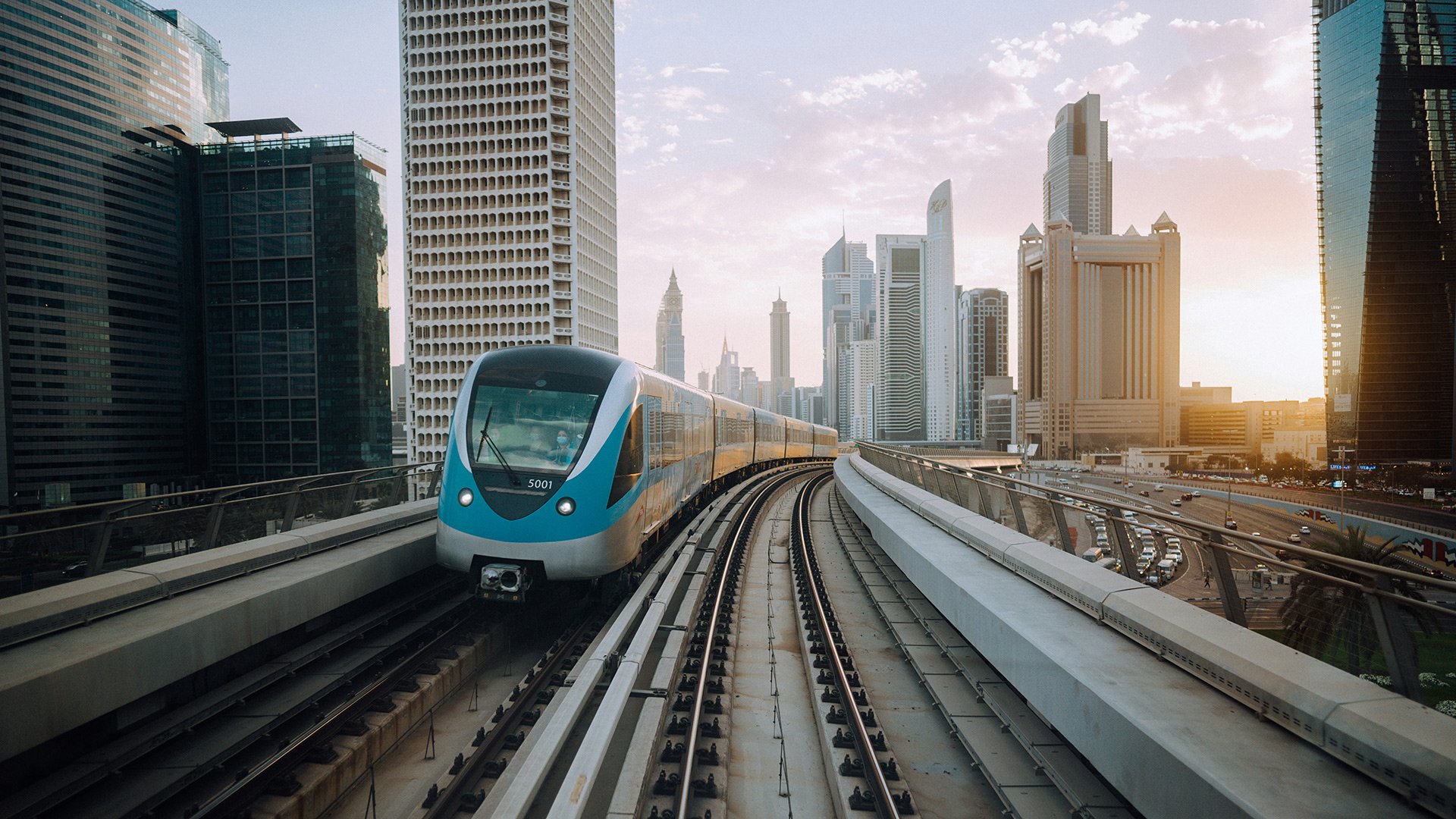
Dubai is stepping up the pace of its transport network. The Roads and Transport Authority (RTA) has announced the completion of the first tunnelling phase on the new Blue Line metro. The phase was finished in about two months — almost twice as fast as the construction of the emirate's first metro line back in 2007. For the property market it is an important signal: the city's transport backbone is expanding ahead of schedule.
A record tunnelling pace
The work is carried out by the "Al Wugeisha" tunnel boring machine, which weighs more than 2,000 tonnes. Its average excavation rate is 13–17 metres per day, peaking at up to 30 metres, against roughly 12 metres a day on the first metro nearly two decades ago. More than 2,000 metres of tunnel have already been bored, and the machine has reached Dragon Souq, the line's first underground station.
What the Blue Line will look like
The new line will stretch 30 kilometres and feature 14 stations, with a significant share of the route running underground. The project budget is AED 20.5 billion (around $5.58 billion), with launch scheduled for 9 September 2029. The route will connect the Mirdif, Dubai Silicon Oasis and Dubai Creek Harbour areas, and once operational the overall metro network will grow to 131 kilometres, 78 stations and 168 trains.
What it brings to the city
According to the RTA, the launch of the Blue Line will cut road congestion by around 20 per cent and improve connectivity across fast-growing districts. The project is already running ahead of plan: about 10 per cent of the works were completed in the first five months, and readiness is expected to reach 30 per cent by the end of 2026.
- higher transport accessibility for developing districts;
- direct access to business and residential clusters along the route.
The impact on real estate
Metro development traditionally supports housing values near stations: convenient transport links make districts more attractive to buyers and tenants. The Blue Line will pass through actively developing locations, including Dubai Creek Harbour and Dubai Silicon Oasis, making these areas even more appealing to investors. The faster-than-planned construction confirms Dubai's course toward large-scale infrastructure upgrades — a factor that works in favour of the emirate's entire property market over the long term.