Sign in
 Sign up





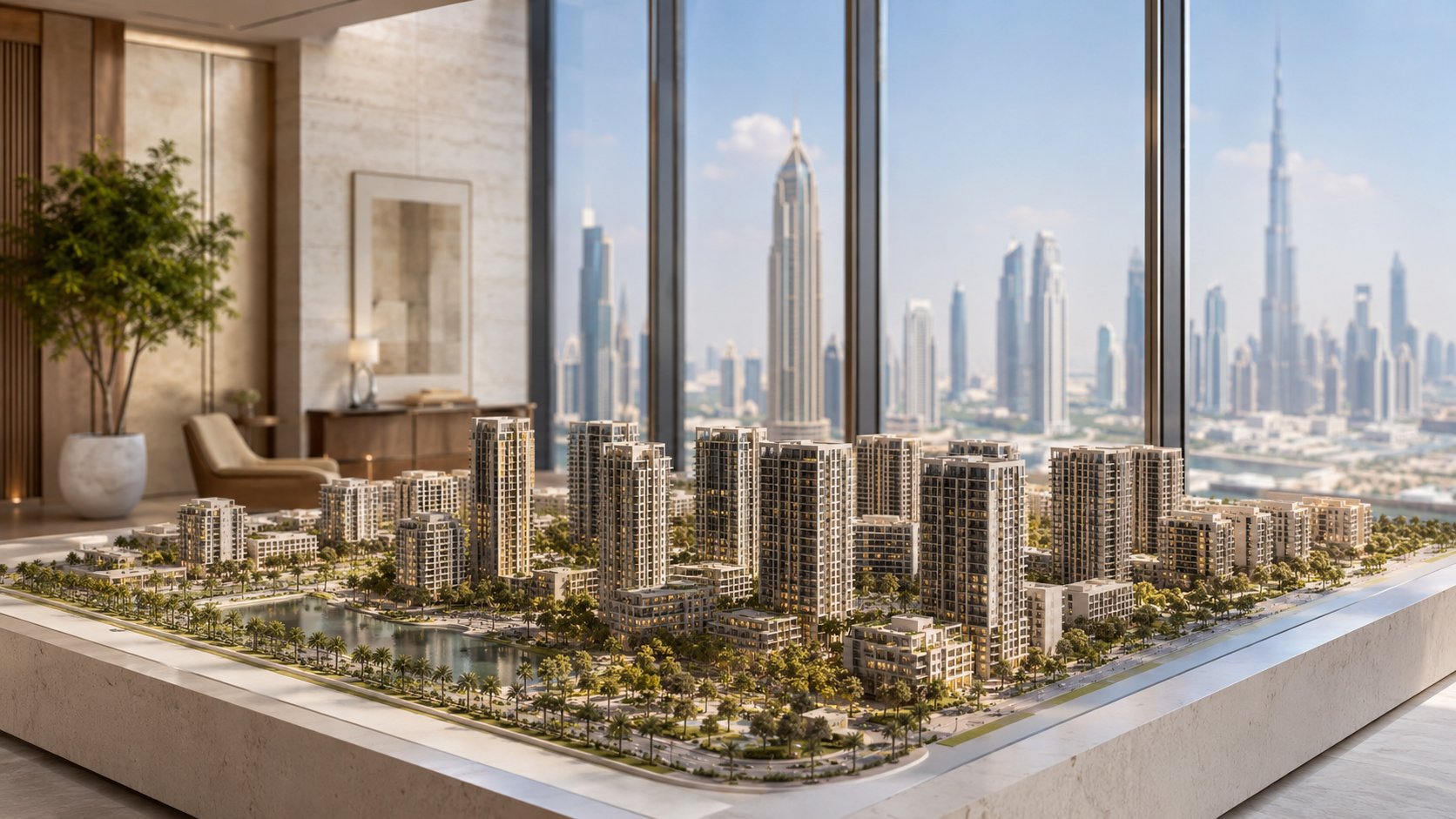
Dubai's development industry keeps widening. Between the start of 2026 and mid-August, 186 real estate development companies entered the emirate's market, according to Dubai Land Department data — roughly 25 new developers every month. The overwhelming majority, 180 companies, were licensed by Dubai's Department of Economy and Tourism. The remaining six came through specialised authorities. The pace underlines the continued expansion of the sector and growing investor confidence in Dubai's capacity to absorb still more projects.
Where the new licences came from
Beyond the Department of Economy and Tourism, three licences were issued by Trakhees — the licensing arm of Dubai's Ports, Customs and Free Zone Corporation, which oversees development activity in Dubai Maritime City. The Mohammed bin Rashid Establishment for Small and Medium Enterprises Development issued two more, and Expo City Dubai granted one. The spread matters: newcomers are not entering through a single gateway, but through free zones, special economic areas and the SME track alike.
A market with room for newcomers
The established names still carry the bulk of the volume. As of 22 July, Dubai's ten largest developers had recorded 36,808 residential transactions worth Dh86.8 billion, with Emaar accounting for Dh30.6 billion and DAMAC for Dh16.7 billion. Reportage has been the most active launcher of the year with 16 new developments. "Broad-based market demand" across price points is what fäm Properties chief executive Firas Al Msaddi points to — strength in the luxury and the affordable segments at the same time, driven by investors and end users.
What it means for buyers
More developers means more choice, and more competition for it. Colliers noted that Dubai's market turned markedly more competitive in the second quarter of 2026 as supply surged and buyers and tenants became more selective. Newcomers without a delivery record will have to compete on location, build quality, realistic pricing and payment plans — which works in a buyer's favour. It also raises the value of due diligence: escrow arrangements, registered project status with the Land Department and a developer's actual handover history are worth checking before signing.
Taken together, the figures describe a market that is broadening rather than overheating. An influx of 186 companies in seven months is a vote of confidence in Dubai's regulatory framework and demand outlook — and a reminder that the range of names on offer is now far wider than the handful that used to define the emirate's skyline.