Sign in
 Sign up





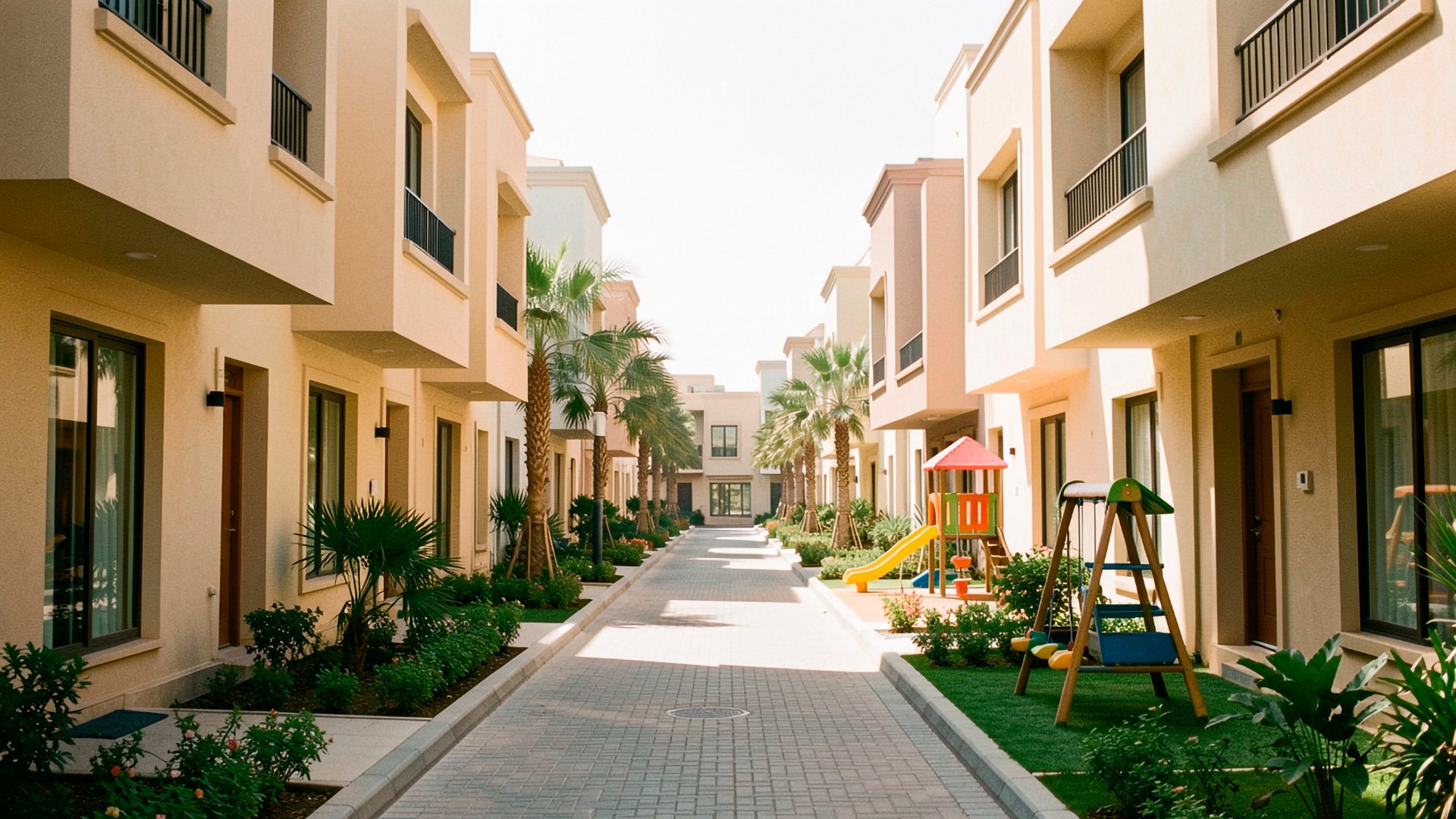
With Dubai's rapidly growing population, which officially surpassed the 4 million mark in August 2025, providing the city with quality and affordable housing has become a priority. One of the emirate's largest developers, Wasl Group, has announced an ambitious plan: the organisation intends to double the number of affordable housing units under its management in the next five years.
Social mission and current performance
Today, Wasl Group's portfolio is already one of the most significant in the region, comprising approximately 45,000 properties. These communities serve as home to nearly 180,000 residents, with more than 90% of tenants being families. Affordable housing is not just a commercial focus, but a fundamental pillar of the company's development strategy to support inclusion and sustainable growth in urban spaces.
Public partnerships and new horizons
In May 2025, the developer's intentions received strong support at the state level. A tripartite memorandum of understanding was signed between Wasl Group, the Roads and Transport Authority (RTA) and Dubai Municipality. Key parameters of the ambitious project:
- Scale of development: The new residential neighbourhoods will occupy a total area of approximately 1.46 million square metres.
- Number of new homes: More than 17,000 units are expected to be built in the first phase of the programme.
- Locations: Construction will cover six key neighbourhoods including Me'aisem 1, Al Twar 1, Al Qusais Industrial Area 5 and Al Leyan 1.
The target audience for the new projects are skilled professionals from the public and private sectors. The main objective of the initiative is to provide quality living conditions at affordable rental rates while optimising the use of urban land.
Integration into the global development plan
The programme is inextricably linked to the Dubai 2040 Urban Master Plan and the D33 economic agenda. The expansion of the budget housing stock contributes to the creation of a balanced urban environment where luxury apartments are juxtaposed with affordable neighbourhoods. This has a direct impact on the concept of a “20-minute city”, allowing residents to get to work and necessary services in the shortest possible time, which significantly improves the emirate's standard of living and economic sustainability.